

ASPR to test automated sterile saline system to help prevent IV shortages
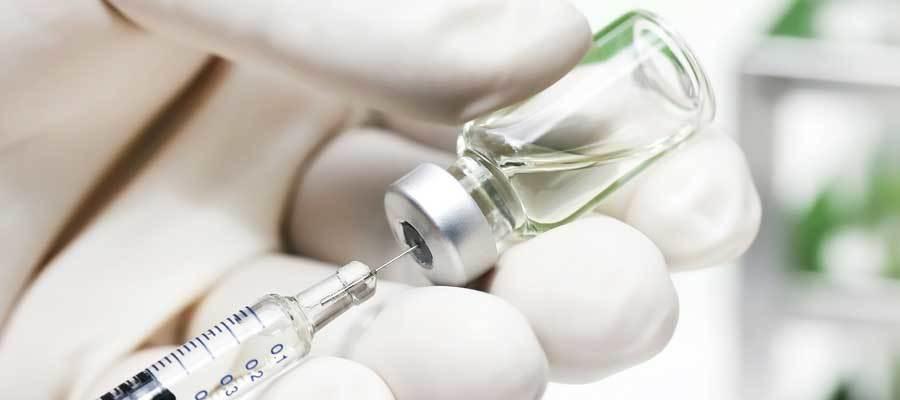
The Department of Health and Human Services’ Administration for Strategic Preparedness and Response June 5 announced it selected two locations to test an automated, point-of-care, sterile saline manufacturing system that could help prevent or mitigate intravenous fluid shortages in the U.S. The system, called Caspian, began development in 2019. One unit will be tested at Walter Reed Medical Center in Bethesda, Md., while the other will be tested and reviewed by the Food and Drug Administration. ASPR has been working with Manchester, N.H.-based DEKA Research and Development Corp. on manufacturing the units, with the intent of producing up to 500 bags of IV fluid per day.
Related News Articles
Headline
The Office of the United States Trade Representative Nov. 25 proposed new tariffs of 10% to 35% on 14 economies, including China, the European Union and India.…
Headline
The Administration for Strategic Preparedness and Response announced Nov. 3 that it will partner with the Bureau of Industry and Security and the Assistant…
Headline
The Department of Health and Human Services Sept. 18 announced the launch of a new personal protective equipment forecast to identify, consolidate and publish…
Headline
The Centers for Medicare & Medicaid Services’ six-month moratorium on the enrollment of new durable medical equipment, prosthetics, orthotics and supply…
Headline
The U.S. Trade Representative yesterday announced it is implementing a 10% or 12.5% tariff on 60 trading partners, which became effective today. These…
Headline
The Food and Drug Administration July 10 released a proposed rule that would modernize drug establishment registration requirements, with implications for…